Best Homeowners Insurance Companies of 2026, Compared
Updated October 18, 2026
Search "best homeowners insurance" and you'll get a different #1 pick from every outlet. Insure.com and U.S. News put Amica on top. NerdWallet ranks Chubb, NJM, and USAA highest. Forbes calls Westfield the best value and Chubb the best for liability. None of them are wrong — they're scoring different things, because "best" depends entirely on your home, your state, and what you're insuring alongside it.
So instead of another single-winner list, here's how the carriers that actually show up across these rankings compare side by side — on price, financial strength, and what they discount when you bundle. Then we'll get into the part most of these lists skip: the fastest way to beat any one carrier's number is rarely to pick harder. It's to shop several at once.
The 2026 homeowners insurance comparison table
| Insurer | Best known for | Avg. annual premium | AM Best rating | Typical bundle discount |
|---|---|---|---|---|
| Amica | Overall satisfaction, low complaints | ~$1,510 | A+ | Up to 30% (with auto, umbrella & life) |
| USAA | Military & veteran families | ~$1,480 | A++ | Available, military-affiliated only |
| State Farm | Largest national insurer, easy customization | Below national average | A++ | Up to 17% avg. (as much as $1,429/yr) |
| Chubb | High-value homes, top liability limits | Above average (premium tier) | A++ | Available, varies by policy |
| Nationwide | Online tools, agent network | Below national average | A | Up to 19% avg. |
| Allstate | Wide discount menu | Near national average | A+ | Up to 25% combined |
| Cincinnati Insurance | Lowest average rate (regional availability) | Below national average | A++ | Available, ask agent |
Sources: Insure.com, 2026; U.S. News, 2026; NerdWallet, 2026; U.S. News bundle data, 2026; Forbes Advisor, 2026. Premiums are national averages and will vary significantly by state, home age, and coverage level — always confirm with a personalized quote.
Why every "best" list disagrees
The national average homeowners premium is running around $2,490 a year for $400,000 of dwelling coverage, and rates have climbed roughly 46% since 2021. In a market moving that fast, rankings built even a few months apart can land on different winners simply because carriers are repricing risk state by state — especially in wildfire, hurricane, and hail zones where several insurers have pulled back entirely.
That's the real takeaway buried in all these lists: the "best" carrier is a moving target, and it's different for a $1,200/month row house in Ohio than for a coastal home in Florida. Ranking sites can only tell you who tends to win on average. They can't tell you who wins for your specific address, roof age, and driving record — which is exactly the gap a local broker fills.
What bundling actually saves you
Every insurer on the table above offers a multi-policy discount, and the numbers are large enough to matter. Across 13 major carriers, Forbes Advisor found an average bundle discount of 14%, and other analyses put the typical combined savings between 10% and 25%, or roughly $542 to $869 a year. Some carriers go further: American Family advertises bundle discounts as high as 40%, and Amica offers up to 30% when you combine auto with home, umbrella, and life.
The catch is that the advertised percentage isn't the whole story. A 25% discount on an expensive carrier can still cost more than a 10% discount on a cheaper one — the only number that actually matters is the total bundled premium versus your best separate quotes. That comparison is tedious to run carrier by carrier on your own, which is exactly the work a broker does for you in one pass.
Why a local broker usually beats shopping direct
Every carrier above will happily quote you their own policy. None of them will tell you that a competitor down the street would bundle your home and auto for less, or that you're missing an endorsement their own policy doesn't sell. That's the structural limit of going direct: a single insurer can only sell you what's in its own catalog.
This is where BetterSured is built to do more than a single-carrier quote tool. Instead of comparing you against one company's book of business, BetterSured connects you with local, licensed independent brokers who shop your home and auto across multiple A-rated carriers at once — the same insurers in the table above — and build the bundle that actually fits your address, not the one that fits their sales quota. That means:
- Real bundle comparisons — your home and auto quoted together across several carriers, not just one company's combined price.
- Gap-filling by default — a broker who knows to check for replacement-cost coverage, water backup, and service line protection before you find out the hard way they were missing.
- A local advocate at claim time — someone who knows the carrier's actual claims track record in your state, not just its national marketing.
If you want the fast version, our guide on getting the best home and auto bundle deals in 2026 breaks down carrier-by-carrier bundle math, and this piece on when bundling doesn't save money covers the cases where staying separate wins.
How to actually pick, in order
- Financial strength first. Stick to A- or better on AM Best — every carrier in the table above clears this bar.
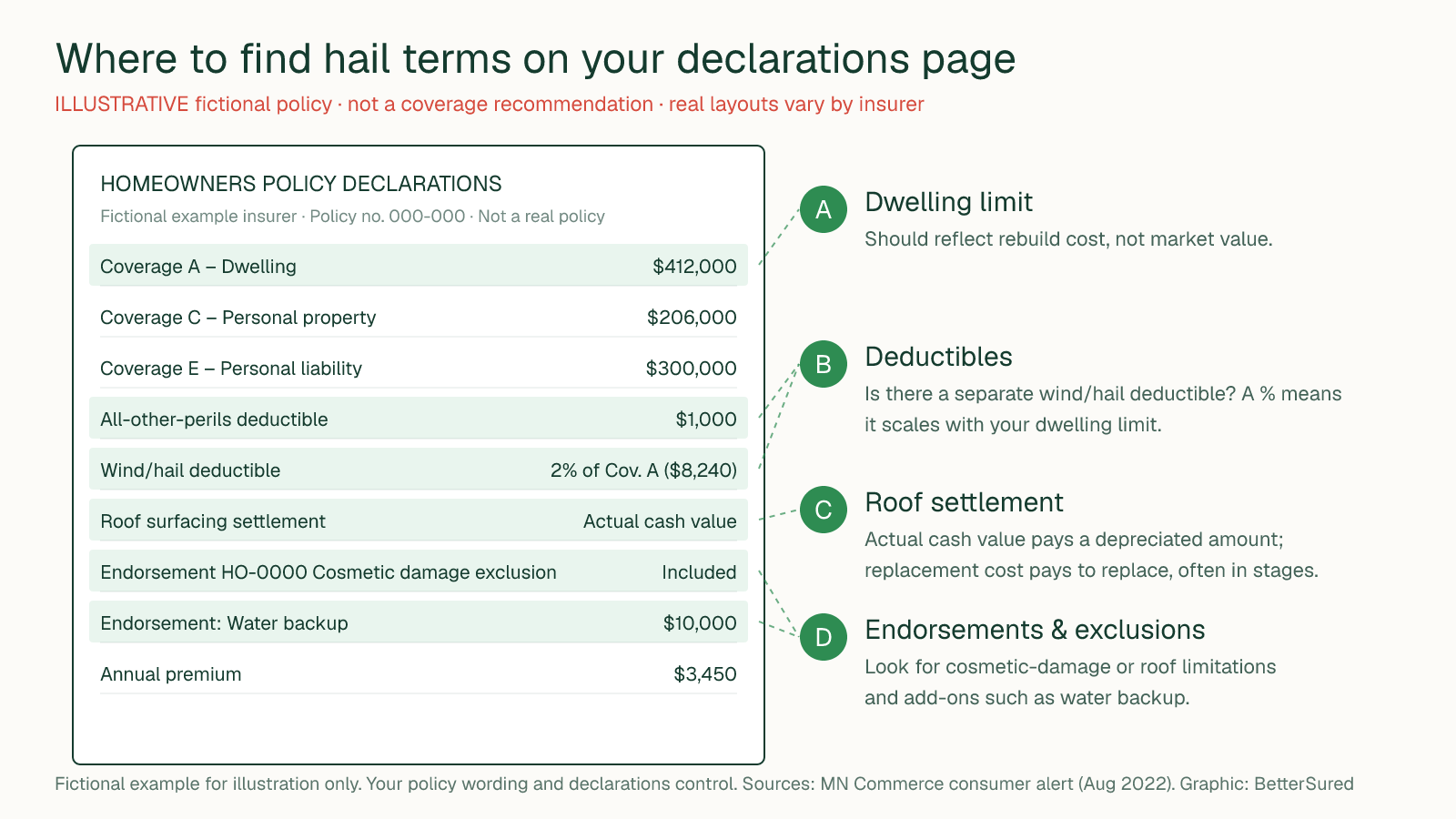
- Replacement cost, not actual cash value, on your dwelling coverage. See our full breakdown of the difference if you're not sure which you have.
- Check the endorsements that standard policies exclude — water backup, service line, ordinance-or-law — using our homeowners insurance checklist.
- Price the bundle, not just the home policy. Get your home and auto quoted together through a broker who can compare several carriers at once, rather than one company's single bundled number.
- Confirm the claims record with the NAIC complaint index and J.D. Power's satisfaction scores before you sign.
Frequently asked questions
What is the best homeowners insurance company overall?
There isn't a single universal answer — Amica, Chubb, USAA, and State Farm each top different 2026 rankings depending on the criteria weighted. Amica leads most consumer-satisfaction lists, USAA is the top pick for military families, and Chubb wins for high-value homes and liability limits. The right choice depends on your home, your state, and whether you're bundling other policies.
Which company has the cheapest homeowners insurance?
Averages shift by ranking methodology, but Cincinnati Insurance, USAA (military only), and State Farm consistently post below-average national premiums. Your actual cheapest option depends heavily on your state, home age, and claims history — a broker comparing live quotes will beat any published national average.
How much can I really save by bundling home and auto?
Across major carriers, the average combined discount is around 10-25%, translating to roughly $542-$869 a year for a typical household, though some carriers advertise discounts as high as 30-40%. The advertised percentage matters less than the total bundled price compared against your best separate quotes.
Is it better to use a broker or buy directly from an insurer?
Buying direct only shows you one company's pricing and coverage options. An independent local broker can quote your home and auto across multiple A-rated carriers at once, which is the only reliable way to know whether a bundle or separate policies actually cost less for your specific situation.
What AM Best rating should I look for?
Aim for A- or better. It signals the insurer has the financial strength to pay claims even after a large regional event like a hurricane or wildfire season, rather than just offering a low sticker price.
How often should I re-shop my homeowners insurance?
At least once a year at renewal, and any time you make a major change — a new roof, a renovation, or adding a car to the household. Rates and carrier appetite shift constantly, so last year's best deal isn't guaranteed to still be the best one.
The bottom line
Every carrier in the comparison table above is a legitimate, financially sound choice — the differences are in price, endorsements, and how they treat you at claim time. Rather than betting on a single company's ranking, get your home and auto quoted together through a local broker who can compare several A-rated carriers at once and build the bundle that actually closes your coverage gaps. That's the fastest way to land on the best homeowners insurance for your specific address — not just the best one on somebody else's list.
Related guides
Water Damage vs. Flood Insurance: What Your Standard Home Policy Covers
Actual Cash Value vs. Replacement Cost: Understanding Your Property Coverage
Condo Insurance (HO-6) vs. HOA Master Policy: What Coverage Do You Actually Need?
Twin Cities Hail Damage: Check These Home Insurance Terms Before Storm Season